For years, aviation followers have been asking if  Boeing will ever build a true successor to the 757? Despite frequent speculation about a ‘next-generation’ midsize aircraft, Boeing has yet to formally launch a program aimed squarely at replacing the versatile jet that once dominated long, thin routes. While company leaders have acknowledged studies and concept work on future single-aisle designs, no official commitment has been made, leaving the fate of a modern 757 replacement uncertain.
That uncertainty has reshaped the market. As Boeing weighs its priorities and timelines, airlines have increasingly turned to alternatives, such as the Airbus A321neo and A321XLR, to fill the operational gap left by their aging 757 fleets. These aircraft now handle many missions once uniquely suited to the 757, raising an even bigger question for Boeing. Is there still enough demand to justify a clean-sheet replacement, or has the window already begun to close?
Why Was The Boeing 757 Such A Popular Aircraft?
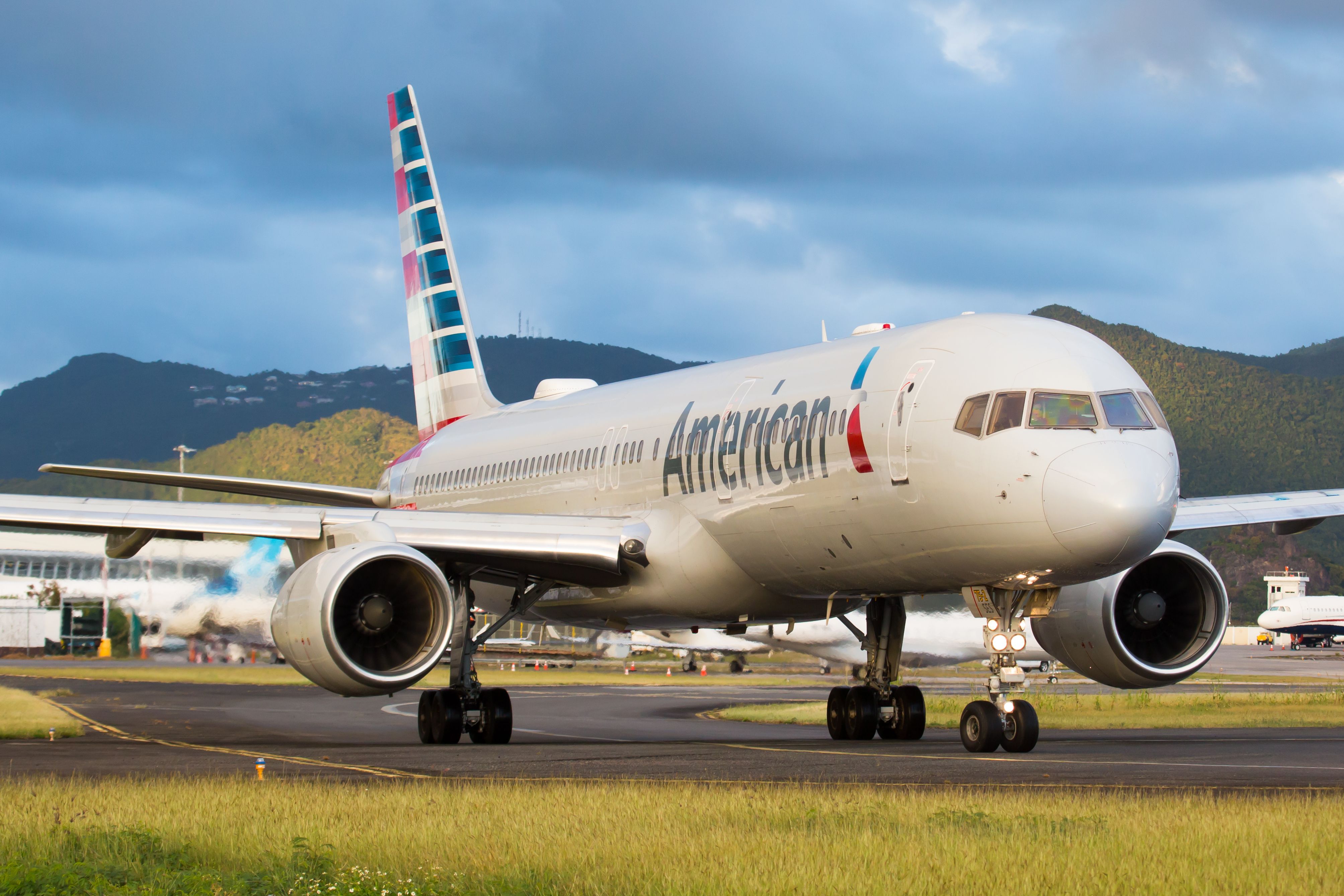
The Boeing 757 was popular because it combined exceptional performance with impressive numbers for a single-aisle jet. Powered by engines producing up to 43,000 lb of thrust, it had one of the highest thrust-to-weight ratios of any narrowbody aircraft. Typical takeoff distances were around 6,500 ft (2,000 m) at maximum weight, allowing it to operate from short or hot-and-high airports while still carrying full passenger and cargo loads.
Its range and capacity were another major advantage. Depending on the variant, the 757 could carry roughly 180–239 passengers and fly up to 3,900 nautical miles (7,200 km), which is sufficient for routine transatlantic flights from the US East Coast to Europe. This made it ideal for long, thin routes that were too small for wide-body jets, enabling airlines to open new markets with lower financial risk.
Finally, the 757 stood out for its operational efficiency and longevity. It shared a common type rating with the Boeing 767, reducing training and crew costs. Its strong airframe also allowed for high utilization over decades. More than 1,050 aircraft were built, and many remain in service today, especially as freighters, where a 757 can carry about 66,000–77,000 lb (30,000–35,000 kg) of cargo. This durability and flexibility explain why the aircraft is still valued long after production has ended.
Is Boeing Planning A Next-Gen 757 Replacement?

At present, Boeing has not announced plans to build a direct replacement for the 757, and there is no active aircraft programme designed specifically to take on that role. Over the past decade, the company has explored several ideas for a new aircraft positioned between its single-aisle and widebody families, sometimes referred to in the industry as a mid-market jet. While these studies generated significant interest, none have progressed to a formal launch or development phase.
In the meantime, the space once occupied by the 757 has continued to evolve without a clear Boeing successor. Airlines have adapted by using newer aircraft types that can cover parts of the 757’s mission profile, allowing fleets to move forward even as older 757s gradually retire. Boeing has stated that it continues to study future aircraft needs and market trends, but has stopped short of outlining what such an aircraft might look like or when it could appear.
For now, the idea of a modern 757-style aircraft from Boeing remains a long-term possibility rather than a near-term plan. Any decision to move forward would likely come years down the line, once the company signals readiness to launch an all-new design. Until then, the 757’s role remains one of the most discussed gaps in Boeing’s commercial lineup.

How Much Does It Cost To Operate A Boeing 757 In 2025?
Fuel, maintenance & utilization drive the range.
If The 757 Was So Popular, Why Did Boeing Stop Production?

One major reason Boeing has not built a 757 replacement is timing and priorities, but this also connects to why the original 757 line ended. By the early 2000s, airlines were ordering far fewer new 757s as their needs shifted toward smaller, more fuel-efficient narrowbodies or larger widebodies. At the same time, Boeing’s attention and resources were increasingly focused on other programmes, making it difficult to justify continued investment in an aircraft whose sales were slowing.
The end of 757 production in 2004 was largely driven by economics. Rising fuel prices made high-thrust twin-engine aircraft less attractive for short and medium-haul routes, while newer aircraft like the 737NG and Airbus A320 family offered lower costs for most missions. On longer routes, many airlines preferred widebodies such as the 767 or A330, which could carry more passengers and cargo more efficiently. As a result, the 757 annual orders fell to single digits.
Finally, those same market realities still affect the case for a replacement today. The 757 filled a narrow niche that no longer guarantees large sales volumes, and any successor would need to offer a major leap in efficiency and capability to succeed where the original ultimately ran out of demand. Without that clear advantage, Boeing has little incentive to revive the concept, even though the 757’s unique performance is still admired decades after production ended.
If Boeing Built A Replacement, What Could It Be Like?

If Boeing were to build a modern 757 replacement, it would likely focus on matching the original’s versatility while incorporating today’s efficiency and technology. The aircraft would probably carry 200–240 passengers in a typical two-class layout, maintaining the 757’s sweet spot between narrowbody and widebody aircraft. Airlines would want it capable of serving both short domestic routes and longer international ‘thin’ routes, so the design would likely prioritize flexibility.
In terms of performance, a replacement would need a range of roughly 3,500-4,000 NM (6,500-7,400 km) to cover transatlantic and extended domestic flights. Modern high-bypass turbofan engines, aerodynamic refinements like winglets or laminar-flow wings, and lightweight composite structures could reduce fuel burn and operating costs by 20–25% per seat compared with older 757s. This combination of range and efficiency would make it attractive to airlines.
Finally, the aircraft would likely include advanced avionics, fly-by-wire controls, and pilot commonality with other Boeing jets to lower training and operational costs. Like the original 757, it would probably be designed with freighter conversions in mind, featuring a strong fuselage and large cargo doors to extend its service life. Overall, a modern 757 replacement would be a long-range, high-performance narrowbody capable of carrying passengers and cargo efficiently across various routes.

The Aircraft Replacing The Boeing 757
It’s time to say goodbye to the Ferrari of the skies. Here are the planes that will replace the 757.
Are There Any Current Aircraft That Fit The Bill?

Although Boeing has not produced a direct successor to the 757, several modern aircraft have stepped in to fill its unique role. The Airbus A321neo family, particularly the A321LR and A321XLR, has become the primary choice for airlines replacing ageing 757s. These aircraft extend the range of a narrowbody jet to transatlantic and long domestic routes, with the XLR capable of flying up to 4,700 nautical miles (8,700 km).
United Airlines, for example, has ordered 50 A321XLR jets to replace its 757‑200s, allowing the airline to maintain long-range services while benefiting from lower fuel consumption and modern passenger comforts. Similarly, Icelandair is swapping its 757 fleet for Airbus A321LR and XLR aircraft, reflecting a broader industry trend of using smaller, more efficient jets for long-thin routes. Some airlines are also relying on the arrival of the Boeing 737 MAX 10.
This model is the largest variant of the MAX family, and could also cover certain 757 missions. However, even the MAX 10 lacks the 757’s combination of range and payload, meaning it cannot fully replicate the original jet’s performance. As a result, there is currently no single aircraft that perfectly matches the 757’s capabilities, and airlines typically use a mix of modern narrowbodies to cover its former routes.
This gap highlights the enduring legacy of the 757, a plane still admired for its versatility, long-range efficiency, and ability to serve routes that few other aircraft can manage. For many carriers, the solution remains piecing together multiple aircraft types rather than finding a true one-to-one replacement.
A Revival Looming Or Is The 757 Gone Forever?

In the end, the question of whether Boeing will build a next-generation 757 replacement remains unresolved. While the aircraft’s unique blend of range, capacity, and performance is still valued by airlines, the lack of a formal launch suggests Boeing is proceeding cautiously. With major resources tied up in stabilizing current programs and planning for future narrowbody families, a direct successor to the 757 does not yet appear to be an immediate priority.
At the same time, the market continues to evolve without a clear Boeing answer. Competing aircraft have stepped in to cover much of the 757’s mission profile, and airlines have adapted their networks accordingly. As these newer jets become more established, the operational and economic case for a clean-sheet 757 replacement grows more complex, potentially narrowing the opportunity for Boeing to reenter the segment it once dominated.
Ultimately, any decision to revive the spirit of the 757 will hinge on long-term demand, technological readiness, and Boeing’s strategic direction. Whether the company chooses to launch a dedicated midsize aircraft or roll those capabilities into a broader next-generation single-aisle program, the legacy of the 757 continues to shape the debate, serving as both a benchmark to match and a reminder of how quickly the commercial aviation landscape can change.