Antarctica rarely comes up when people talk about travel plans. There are no cities to wander, no food scene to chase, no easy itinerary to follow. You can’t drop in for a long weekend or stumble across it by accident.
And yet, for travelers who are drawn to places that haven’t been smoothed out for visitors, Antarctica holds a particular pull. What it offers instead is scale, silence, and the rare feeling of being somewhere that doesn’t exist for human use. For the travelers who make the journey, that difference is the appeal.
What Makes Antarctica Different?
Antarctica is governed unlike any other continent on Earth. It isn’t owned by a single country and has no native population.
Instead, it’s protected under the Antarctic Treaty System, an international agreement that prioritizes scientific research and environmental protection. Military activity, resource extraction, and permanent settlement are prohibited.
These agreements shape every aspect of travel. Visitor numbers are limited, landings are regulated, and even where you step is carefully controlled. It’s not bureaucracy for its own sake; it’s an attempt to keep Antarctica as intact as possible in a world where few places remain truly untouched.
That framework creates a rare dynamic: humans are guests here, not managers. The continent doesn’t bend to tourism. Tourism bends to the continent.
How Do You Get There?
Most Antarctic journeys begin at the southern tip of South America, typically in Ushuaia, Argentina. From there, travelers board expedition ships designed for cold-water navigation and icy travel.
These vessels cross the Drake Passage, a stretch of ocean infamous for its unpredictable conditions, before reaching the Antarctic Peninsula.
The crossing itself is part of the experience. Weather dictates speed and comfort, and seas can range from calm to turbulent. There are no shortcuts, and delays aren’t uncommon. Getting to Antarctica requires patience and a willingness to accept that some things simply can’t be controlled.
General Tips
Preparation matters more for Antarctica than for almost any other destination. Packing properly layered clothing, waterproof outerwear, insulated gloves, and sturdy boots is essential.
Conditions can change quickly, even within the same day, and comfort depends largely on how well you’re equipped. Flexibility is equally important. Daily plans are shaped by weather, ice conditions, and wildlife activity.
An itinerary is more of a framework than a promise. Travelers who thrive here are those who can adapt without frustration.
It’s also worth adjusting expectations around connectivity. Internet access is often limited or intermittent, and phone service may disappear entirely once you’re south of certain latitudes. Antarctica encourages presence, whether you intend it to or not.
Expedition Cruises
For most visitors, expedition cruises are the only practical way to experience Antarctica. These ships are smaller than traditional cruise liners and are built specifically for polar conditions. Their size allows for Zodiac landings and access to narrow channels that larger vessels can’t navigate.
Life onboard revolves around exploration rather than entertainment. Days typically include briefings, landings, wildlife observation, and lectures led by naturalists, scientists, and historians. The emphasis is educational and observational, not recreational.
Many expeditions focus on small-group experiences, expert-led excursions, and responsible operations in Antarctic waters.
When You Get There
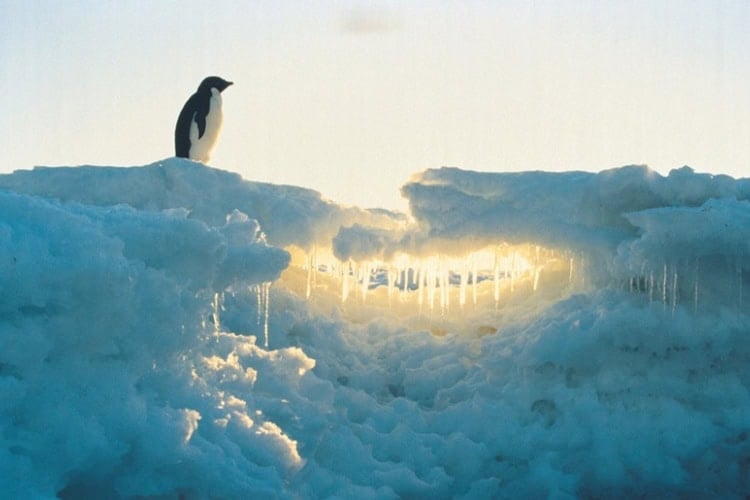
Once in Antarctica, days are shaped by light and weather rather than clocks. Landings may take place on rocky shores, ice-covered beaches, or floating sea ice.
After seeing towering icebergs from your boat, you might walk carefully among penguin colonies, or stand quietly as seals rest nearby. Evenings are subdued. Meals and informal conversations replace nightlife.
The Wildlife
Wildlife encounters in Antarctica are different from those in more trafficked destinations. Animals are not habituated to humans in the same way, and strict rules govern how close visitors can get.
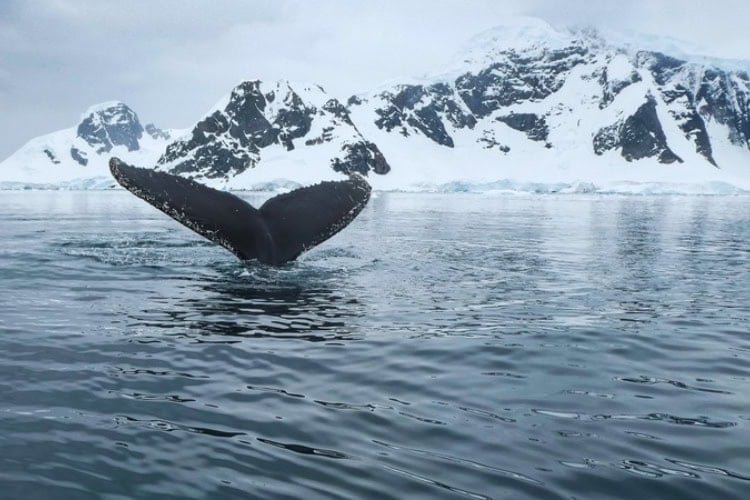
Penguins, seals, and whales are observed on their terms, without chasing or interaction. This distance fosters respect. You’re there to witness, not interfere. Moments of connection come from patience, waiting quietly as a penguin waddles past or watching a whale surface in the distance.
Cost, Timing, and Planning
Antarctic travel is expensive, and there’s no pretending otherwise. The cost reflects the realities of operating in one of the harshest environments on Earth: specialized ships, highly trained crews, fuel demands, safety protocols, and environmental compliance.
Most trips run between November and March, during the Antarctic summer, when sea ice recedes enough to allow access. Planning often begins many months in advance, sometimes more than a year.
Travel insurance, medical clearances, and contingency plans are standard parts of the process. This isn’t a trip you book on impulse. It rewards careful preparation.
Environmental Responsibility
Antarctica is one of the most carefully protected places on the planet. Visitors follow strict biosecurity measures, including cleaning boots and gear before every landing to prevent the introduction of non-native organisms.
Responsible operators work within international guidelines to minimize environmental impact. The goal isn’t just to see Antarctica, but to ensure it remains as unaltered as possible for future generations.
Should You Travel to Antarctica?
Antarctica is cold, remote, costly, and unpredictable. It doesn’t cater to comfort or convenience. But for travelers who value quiet, scale, and perspective, it offers something increasingly rare.
You don’t go to Antarctica to be entertained. You go to experience a place that still exists largely on its own terms, and to return with a sharper sense of how small, and how connected, the rest of the world really is.
Want to discover more hidden gems and helpful travel tips? Join our free newsletter for the latest travel secrets and travel articles.
We are reader-supported and may earn a commission on purchases made through links in this article.