A Desert Drive to the Underworld
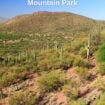
In the early morning light, the desert surrounding Tucson, Arizona, USA, glows in soft shades of gold and rose. Saguaros lift their arms toward the sky as we make the short drive southeast into the Rincon Mountains.
Here, among rugged hills and wide-open vistas, sits Colossal Cave Mountain Park, home to one of the largest dry caves in North America—and the setting for a journey that blends geology, folklore, wildlife, and just enough mystery to stir the imagination.
The parking lot is unassuming enough, but the world beneath it is anything but.
Choosing the Right Cave Tour

Soon, we find ourselves joining two very different groups forming at the entrance: one preparing for the Wild Cave Tour, the other—ours—opting for the more moderate Classic Cave Tour. The difference becomes clear the moment the first guide calls out instructions.
The Brave, the Bold, and the Claustrophobic
The adventurous set suits up with hard hats and headlamps. They shed backpacks and bulkier gear that might snag on tight squeezes deep underground.
Their guide asks, almost casually: “Anyone uncomfortable crawling through dark, narrow tunnels?”
A couple of nervous laughs rise up, but no one backs out. I feel a sympathetic flutter in my chest as they disappear into the shadowy passageway. Their tour promises crawling, climbing, and a workout worthy of seasoned spelunkers.
I, however, cling to the cluster of fellow “soft adventurers” who prefer a slower, upright stroll through the illuminated sections of the cavern. No crawling required—just curiosity, decent footing, and a willingness to suspend disbelief.
Our guide, Mickey, leads us toward the paved walkway. His voice carries the practiced confidence of someone who has spent countless hours in this underground labyrinth.
“Ready?” he grins. “Once we head in, the cave takes over.”
First Encounters in the Grotto of Bats
The moment we step into the mouth of Colossal Cave, something above us stirs. Wings flutter. A small shape zips overhead in a blur of motion.
“You’re lucky,” Mickey announces, eyes bright. “Not everyone gets a bat welcome.”
The little creature vanishes into a fold of darkness before anyone can raise a camera. Instead of being startled, I’m oddly delighted.
There’s something thrilling about being acknowledged—even briefly—by one of the cave’s many longtime residents.
Colossal Cave is home to nearly half of Arizona’s bat species at various times of year. Though mostly unseen by casual visitors, their presence contributes to the delicate ecosystem that sustains this subterranean world.
Despite the cave’s constant, comfortable seventy-degree temperature, I feel a subtle chill—not from cold, but from the instant shift in atmosphere. One step inside, and the desert above feels far, far away.
As we follow the walkway deeper into the limestone corridors, Mickey begins weaving in the human history of the cave.
“In the 1800s,” he says, “train robbers used these caverns as a hideout. Perfect spot to stash loot or wait out a search.”
The idea of outlaws hunkering down in these very chambers adds a cinematic twist to our walk. But the cave’s human history goes back much farther.
“Over a thousand years ago,” he continues, “the Hohokam used parts of this cave system for shelter.”
Near a bend in the tunnel, he points to well-preserved artifacts: ritual Pahos (prayer sticks), small bows, and hollow reed cigarettes once used to send symbolic messages through smoke.
It’s both humbling and surreal to stand where early desert dwellers once took refuge.
The Legendary Old Baldy
We soon approach a smooth limestone protrusion glistening under the soft lighting.
“This is Old Baldy,” Mickey says. “Rub his head for luck.”
The formation is polished to a sheen from generations of hands. I give it a gentle rub, half amused, half reverent.
Mickey adds cheerfully: “Good idea. You wouldn’t want to trip into a bottomless pit or lose any limbs.”
He chuckles. I step a little more carefully.
A Gallery of Geological Giants
The cave unfolds like a stone cathedral—towering chambers, narrow corridors, and formations that spark imagination.
Mickey points out shapes that resemble familiar figures: a kingdom of elves, a regal stone king, even a Kermit-the-Frog lookalike perched on a ledge.
In the Cathedral Room, stalactites hang like stone icicles from a ceiling far above us. The acoustics are astonishingly clear.
“Artists have tested recordings in here,” Mickey says. “Some believe the sound quality is better than in many studios.”
Yet the space is quiet, its stillness amplified by thousands of years of near-silence.
A Cave Created by Fire, Not Rain
While many famous caves form from rainwater dripping downward, Colossal Cave is a geological rebel.
“Hot, sulfur-rich brine rose from below and dissolved the rock from the inside out,” Mickey explains. “That’s what carved the passageways.”
About four thousand years ago, the cave’s growth halted. Since then, it has remained completely dry—no dripping water, no active formations. Just suspended time.
Crossing Faults, Dodging Fangs, and Meeting the Bone Crusher

We approach a prominent diagonal crack slicing through the rock.
“This is the major fault line,” Mickey says. “The cave has thirty-eight fractures, but this one is the biggie.”
Standing on a fault line deep underground should feel unsettling, but oddly, it adds to the drama of the experience.
Then comes the Crystal Forest, where sheets of flowstone shimmer like a frozen waterfall—amber, ivory, and muted green ripples sculpted long before recorded history.
Nearby is the cave’s star attraction: Fang, a massive stalactite weighing two and a half tons. Its pointed tip looks worthy of its name.
We maneuver around Bone Crusher, a rising stalagmite that seems to guard the path like a bouncer. Despite its intimidating name, the squeeze is manageable—and strangely fun.
Mickey pauses at a shadowy opening.
“That’s the Bottomless Pit,” he says. “Not actually bottomless, but deep enough that we don’t encourage experiments.”
One curious glance is enough. I keep a healthy distance.
Descending Into Outlaw Territory
At last, we reach the lowest accessible point in the cave: The Living Room, located seventy feet below the surface.
“Legend says the train robbers set up camp right here,” Mickey tells us. “Safe, hidden, and cool.”
You can almost picture them—a few flickering lanterns, the smell of dust and sweat, stolen goods piled in the shadows.
My husband looks around and grins. “Perfect spot for fugitives,” he says. “Though I can’t picture Snow White’s seven dwarves living here.”
The room is eerie, fascinating, and oddly peaceful.
Re-Emerging into the Desert Sun
After nearly an hour underground, we begin our ascent toward daylight. The air warms. The ceiling lowers. Then, suddenly, the world opens up again.
Sunlight hits our faces with startling brightness, and the desert colors return—sage green, sand gold, cloudless blue. It feels like resurfacing from another planet.
Above ground, Colossal Cave Moountain Park offers hiking trails, horseback rides, picnic areas, and remnants of a 1930s Civilian Conservation Corps camp.
But for most visitors, the cave itself is the true highlight—an underground tapestry of geology, folklore, wildlife, and curiosity.
For me, the experience was part adventure, part education, part time travel.
The Wild Tour may appeal to the bold-hearted, but the Classic Tour delivers every bit of magic—without the crawling.
And as we walk back to the parking lot, I can’t help but glance at the ground beneath my feet, knowing that a vast world lies just below—silent, sculpted, and alive with stories waiting to be told.
Read More: Hidden Gems in the American West: Road Tripping Through Canyon Country
Where to Stay in Tucson
Arizona Inn
A historic Tucson landmark built in 1930, the Arizona Inn is a quiet, garden-filled retreat near downtown, known for its classic Southwestern style and relaxed, old-world atmosphere.
Need a hand planning your trip? Here are the sites and services we rely on most, from booking tools to travel products we love.
Inspire your next adventure with our articles below:
Author Bio: Since 1996, while freelancing, Jane Cassie has had thousands of articles published. Her stories have appeared CNN Magazine, Northwest Travel, New York Daily News, Chicken Soup For The Soul, Dreamscapes, Air Canada In-flight, Cottage Life, Epicure and Travel, just to name a few. She has been a regular contributor to Spa Life, INNspire, North American Inns Magazine, Cottage, and Inspire Magazines.
Want to discover more hidden gems and helpful travel tips? Join our free newsletter for the latest travel secrets and travel articles.
We are reader-supported and may earn a commission on purchases made through links in this article.