Europe has always captivated travelers from around the world. Most visitors still stick to the classics like Paris, Barcelona, and Rome, even as crowds grow and prices climb. And while those cities will always have a place in our hearts, 2026 feels like the perfect year to look beyond the obvious and follow the paths we have loved most from our own travels.
These recommendations come straight from our editorial team and the journeys that shaped us. There is a special kind of magic in the places where locals outnumber tourists, where prices are still reasonable, and where culture, food, and nature feel authentic and untouched.
From the vineyards of Southern Styria to the wild beauty of the Faroe Islands, here are 10 under-the-radar European destinations to add to your 2026 travel list.
1. Riga, Latvia
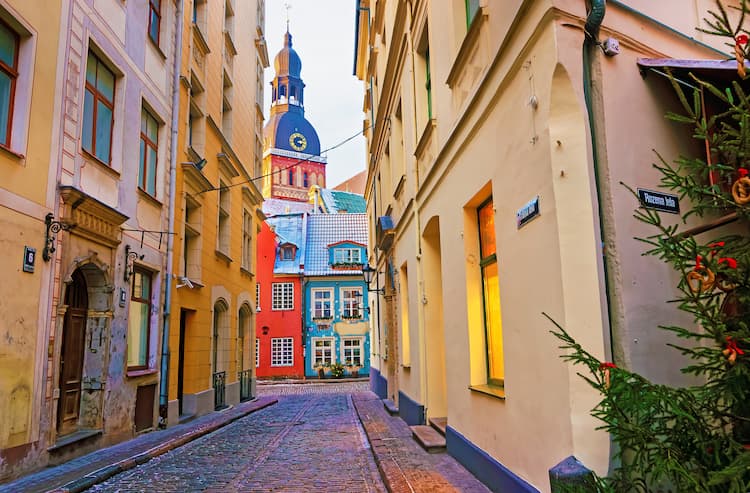
Riga is what happens when a city gets everything right—stunning architecture, world-class dining, rich history—but stays off the tourist radar. This Baltic gem boasts over 800 Art Nouveau buildings, a UNESCO World Heritage Old Town, and world-class museums where you won’t wait in lines.
Medieval Old Town unfolds across cobblestone streets, with St. Peter’s Church offering panoramic views and the House of the Black Heads anchoring Town Hall Square. Easy day trips expand your options: the seaside resort of Jūrmala lies just 30 minutes away, while Rundāle Palace (a stunning Baroque residence designed by the same architect behind St. Petersburg’s Winter Palace) and Gauja National Park, with its medieval castles, both lie 90 minutes from the capital.
What sets Riga apart is its ability to combine sophistication with accessibility. The highly educated population speaks excellent English, making travel effortless. The dining scene spans traditional Baltic specialties to innovative Michelin Guide restaurants, all emphasizing fresh, local ingredients.
Affordable flights connect Riga to most European capitals in under three hours, and hotels in the walkable Old Town cost far less than overtouristed alternatives. This modern EU nation has preserved its character while remaining genuinely welcoming—and wonderfully uncrowded.
Read More: My Grandfather Never Forgot Riga—And Now I Know Why It’s Europe’s Best-Kept Secret
2. Faroe Islands, Denmark

While tourists flood Iceland and Norway, the Faroe Islands remain gloriously overlooked—an archipelago of 18 jagged islands in the North Atlantic where sheep outnumber people nearly two to one.
This is a land of dramatic extremes: thousand-foot cliffs carved with sea caves, waterfalls plunging directly into the ocean, and grass-roofed houses in tiny villages along serrated fjords. The weather changes by the minute—from drizzle to sun to winds so fierce they’ll stop you in your tracks.
Getting to the Faroes requires a connection through Copenhagen, but once you’re in Europe, Atlantic Airways offers flights for around $350 round-trip.
Adventure awaits at every turn: high-octane RIB boat tours around sea grottos, hikes to Kallurin lighthouse (featured in the James Bond film No Time to Die), or the “Lake Above the Ocean” on Vagar Island, where a floating lake sits 100 feet above crashing waves.
You can even hop between islands on regularly scheduled helicopter routes—actual local transportation that delivers breathtaking aerial views.
What makes the Faroes truly special is the chance to disconnect and feel small in the vastness of nature. Hike rocky trails with only sheep for company, dine with local families over platters of fresh salmon and lamb, or stand at a cliff’s edge watching waterfalls cascade into the sea.
With hotels around $250 per night and a culture that has preserved its rugged authenticity, the Faroes offer the remote adventure travelers crave—without the crowds that now plague Iceland.
Read: Faroe Islands: Wind-Lashed Cliffs, Sea Caves and Clifftop Hikes
3. Ljubljana, Slovenia
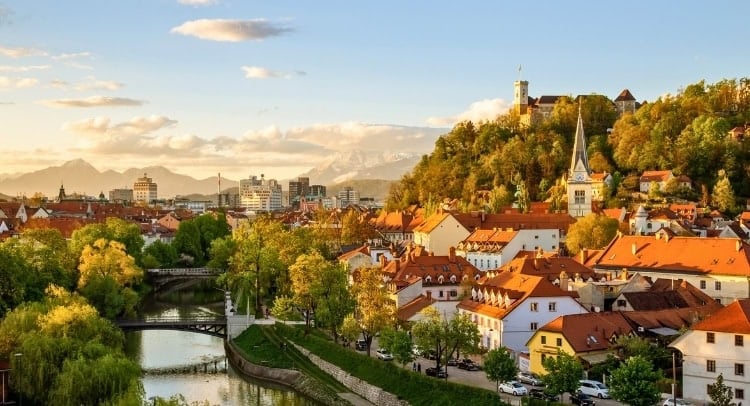
Ljubljana sits between the Alps and the Adriatic, and it still feels like a quiet secret in Europe. It is a small capital with a warm, creative energy and an easy rhythm that makes it instantly appealing.
The Ljubljanica River cuts through the center, lined with pastel buildings, outdoor cafés, and lively bridges. The castle watches over the city from above, and the streets are filled with markets, music, and the smell of roasted chestnuts in the cooler months.
Visitors can try Slovenian specialties, explore the historic old town, and even check out the city’s quirky 24-hour fresh milk machines. Ljubljana may not be the first place people think of when planning a European trip, which is exactly what makes it stand out. It is calm, colorful, and authentic, and it also makes a great base for day trips to spots like Lake Bled or the Škocjan Caves.
Read More: Your Complete Guide to Ljubljana: City Highlights and Stunning Day Trips
4. Madeira, Portugal
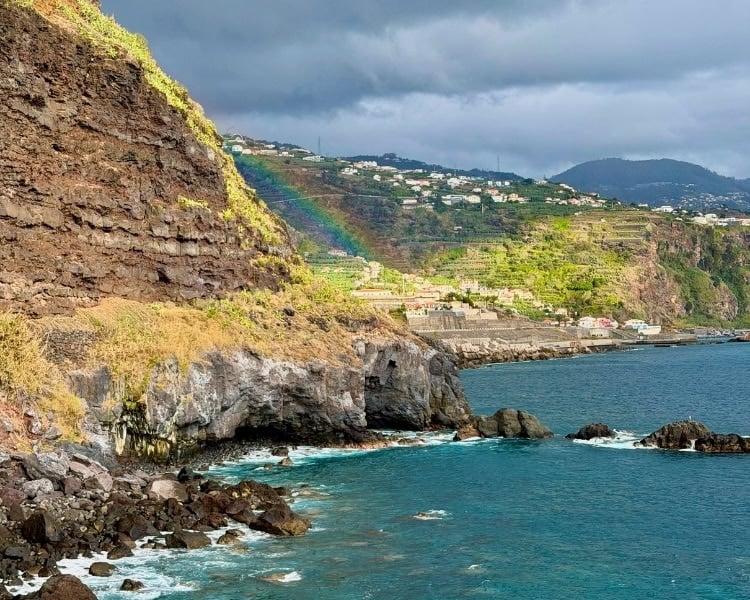
Rising out of the Atlantic west of mainland Portugal, Madeira is one of Europe’s most breathtaking islands and is still surprisingly overlooked by many travelers. This volcanic retreat is defined by lush mountainsides, dramatic cliffs, black sand beaches, and ancient laurel forests that make the whole island feel almost otherworldly.
Visitors can explore its scenic levada trails, wander the walkable old town of Funchal, or spend an afternoon in botanical gardens filled with rare and colorful plants.
The waters around the island offer some of the best whale and dolphin watching in Europe, and Madeira’s unique wines and fresh seafood add even more character to the experience. It is a calm, spectacular destination that feels like a secret waiting to be discovered.
Read More: The Remote Island of Madeira, off the Coast of Africa, Is Portugal with a Twist
5. Alhama de Granada, Spain
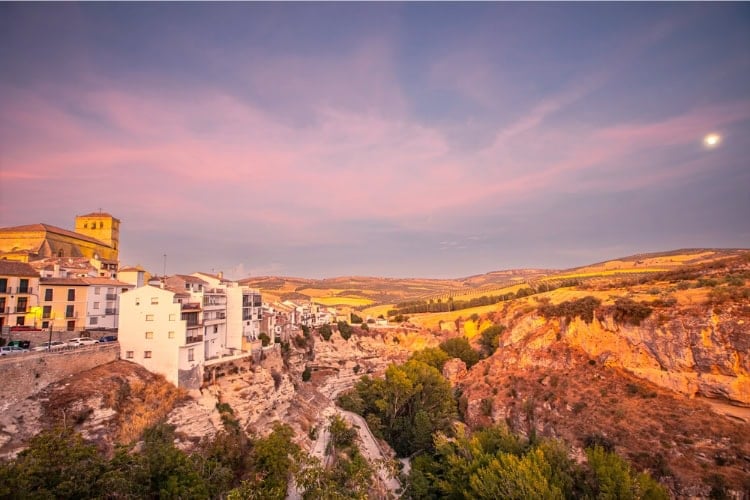
Perched on the rim of a dramatic gorge, Alhama de Granada feels both timeless and otherworldly. This hilltop town, one of the hidden gems of Granada province, offers sweeping views of olive-dotted hills and distant sierras, where the light softens everything it touches.
In the old quarter, centuries seem to fold together. Narrow cobbled streets wind between whitewashed houses and ancient churches, their architecture layered with Roman, Moorish, and Christian influences. At the heart of town lies Plaza de la Constitución, a gathering place where locals drift in as evening falls. Beneath the red walls of El Castillo, the square hums with conversation, clinking glasses, and the scent of tapas wafting from nearby cafés.
Just beyond town, the thermal baths, fed by mineral-rich springs, have soothed travelers since Roman times. The town’s name itself, Al Hamma, means “hot springs” in Arabic, a nod to its enduring allure. From there, a trail leads into the gorge, where the Alhama River carves through limestone cliffs. Along the way, crumbling ruins and stone bridges whisper of centuries past, their stories carried on the breeze.
Though less than ninety minutes from Granada or Málaga, Alhama de Granada feels a world apart. There are no crowds here, no rush – only the quiet rhythm of rural Andalucía.
For those seeking nightlife or high energy, it may seem too still. But for travelers drawn to history, nature, and the unhurried pace of small-town Spain, Alhama offers something rare: a place where the past lingers, and time slows just enough for you to hear it breathe.
Read More: Lost and Found in Andalucía: Off the Beaten Path in Southern Spain
6. Montpellier, France
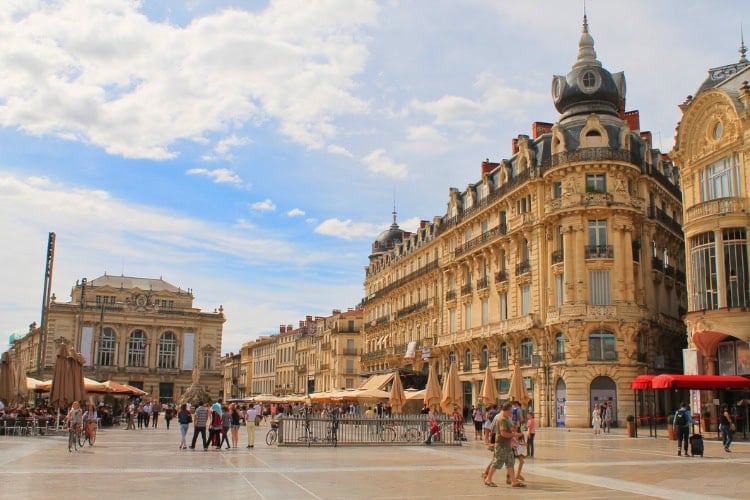
Set along the Mediterranean coast in southern France, Montpellier is a colorful and lively city that still feels refreshingly relaxed compared to more famous French destinations. Its historic center is a maze of golden stone buildings, sunlit squares, and café-lined streets that stay vibrant late into the evening. The atmosphere is youthful and creative, shaped by its large student population and a strong local arts scene.
Scenic bike paths lead straight to the coast, making it easy to spend a morning exploring the city and an afternoon by the sea. The food scene is outstanding, with everything from fresh Mediterranean seafood to natural wine bars and bustling markets. With its warm energy, great people, and effortless charm, Montpellier stands out as one of France’s most inviting under-the-radar cities.
7. Split, Croatia
While tourists crowd Venice and Dubrovnik, Split offers something rare: a living Roman palace you can actually explore. The 4th-century Diocletian’s Palace isn’t a museum—it’s the beating heart of the old town, where locals grab coffee in ancient courtyards and boutiques nestle into 2,000-year-old walls.
This UNESCO World Heritage Site doubles as a neighborhood, making Split feel less like a tourist attraction and more like a secret you’ve stumbled upon.
The city’s location is its superpower. Hike pine-forested Marjan Hill for knockout views of the Adriatic, then cool off at beaches ranging from sandy Bacvice to secluded coves.
Day trips bring you to Krka’s cascading waterfalls, medieval Trogir, and the ancient ruins of Salona. Want to island-hop? Rent a boat and discover Hvar, Brac, and the mesmerizing Blue Cave—all within easy reach.
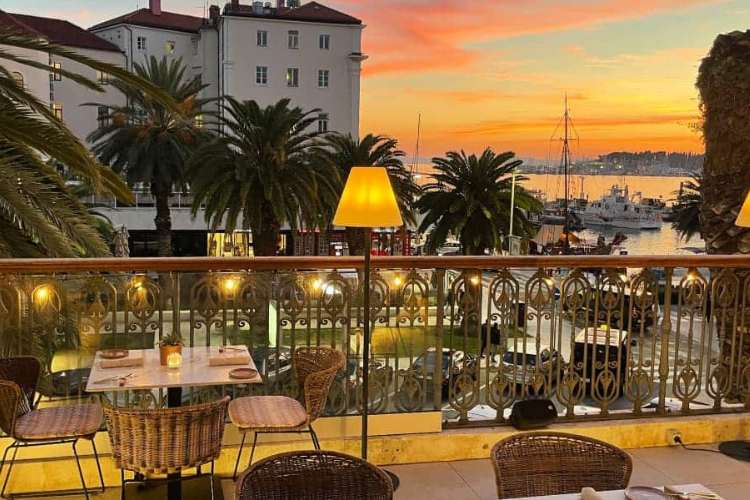
Split’s real magic happens at sunset along the Riva promenade, where locals sip wine and the whole city seems to exhale. Fresh seafood, Dalmatian wine, and that easy Mediterranean pace make this feel like a place that hasn’t sold its soul to tourism.
Visit in spring or late fall when you’ll almost have this Adriatic gem to yourself—at a fraction of what you’d pay in more famous coastal cities.
Read More: Top 10 Things to Do in Split, Croatia
8. Southern Styria, Austria

Forget Tuscany—Southern Styria (Südsteiermark) is Austria’s secret answer to wine country, and it’s refreshingly under-touristed. Just 45 minutes from Graz, this region along the Austrian-Slovenian border produces exceptional organic Sauvignon Blanc, hand-harvested on steep slopes.
With over 385 family-run wineries making wines that rarely leave Austria, you’re tasting something most of the world never gets to experience. Plus, you’ll discover Styria’s famous “green gold”—nutty, rich pumpkin seed oil pressed using centuries-old techniques.
The real joy here is exploring by e-bike along three distinct wine trails, each with its own character. Pedal through sunflower fields, stop at rustic Buschenschänke (wine taverns) for cold-meat platters paired with house wines, and discover artisan producers crafting everything from organic cheeses aged in cool cellars to lavender liqueurs.
The region’s mild climate and commitment to organic farming mean you’re tasting products made with genuine care and zero shortcuts.
What makes Southern Styria magical is meeting the people behind the products—fifth-generation winemakers who still make their own cold cuts, former Olympic ski jumpers turned vintners, and families who’ve been pressing pumpkin seed oil for over a century. Hike vineyard trails to panoramic lookouts, dine in a castle overlooking endless green hills, or stay at a cozy family-run hotel.
This is Austria without the crowds, where tradition creates something extraordinary and locals are genuinely thrilled to share their corner of the world.
Read More: Southern Styria (Südsteiermark): A Wine Lover’s Paradise in Austria
9. Skopje, North Macedonia
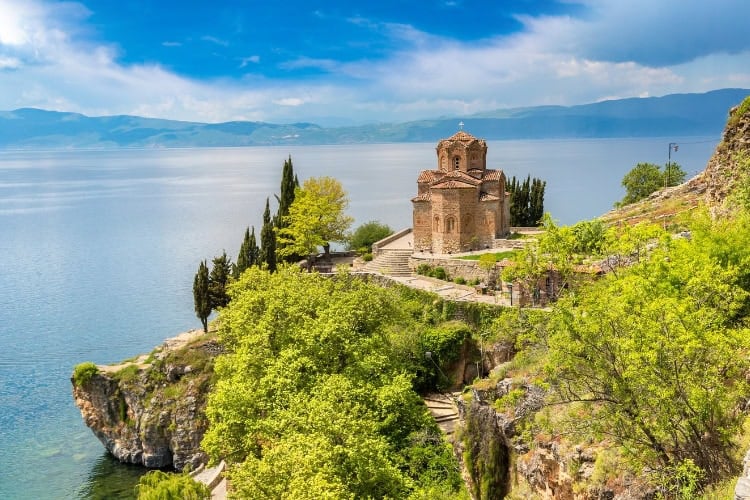
Skopje, the capital of North Macedonia, is one of the most unique and budget-friendly cities in Europe. The city blends Ottoman, Byzantine, and modern influences, with lively markets, riverside promenades, and impressive historic sites like the Old Bazaar and Kale Fortress. It is also a gateway to Lake Ohrid, one of Europe’s oldest and deepest lakes, known for its crystal clear water, ancient churches, and peaceful lakeside villages.
With extremely affordable food, accommodations, and transportation, North Macedonia remains one of the continent’s cheapest destinations, making Skopje an easy choice for travelers looking for culture, scenery, and great value all in one place.
Read More: Skopje, North Macedonia: Where Ancient History Meets Modern Charm
10. Shetland Islands, Scotland
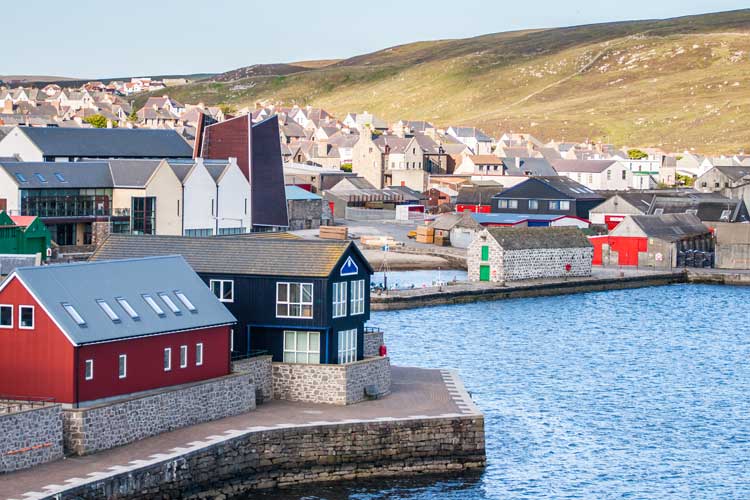
Sitting in the North Atlantic halfway between Scotland and Norway, the Shetland Islands are so remote they feel like Scotland’s best-kept secret. This dramatic archipelago of over 100 islands offers something rare: a place where you’re never more than a few miles from soaring cliffs surrounded by seabirds, yet you can walk through 5,000 years of history in a single afternoon.
Visit during summer and experience the “simmer dim”—nights when the sky never truly gets dark—or come in winter for spectacular stargazing under long, dark skies.
Getting here requires effort (an overnight ferry from Aberdeen or flights from select UK airports), but that’s exactly what keeps crowds away. The islands’ unique blend of Viking and Scottish heritage runs deep—Shetland was occupied by Scandinavians for hundreds of years, creating a culture unlike anywhere else in Britain.
Beyond its dramatic landscapes, Shetland captivates with compelling stories. In Scalloway, learn about the Shetland Bus, a top-secret WWII operation where Norwegian fishermen smuggled weapons and refugees between occupied Norway and Scotland. In Lerwick, recognize the waterfront Lodberries—historic warehouses that once served smugglers—from the hit BBC crime series Shetland.
With a simple inter-island ferry system, you can explore multiple islands at your own pace, discovering Iron Age towers on clifftops, sampling local whisky, and experiencing a side of Scotland most travelers never see.
Need a hand planning your trip? Here are the sites and services we rely on most, from booking tools to travel products we love.
Read: Visiting the Shetland Islands: Scotland’s Most Northerly Isles
Need a hand planning your trip? Here are the sites and services we rely on most, from booking tools to travel products we love.
Inspire your next adventure with our articles below:
Want to discover more hidden gems and helpful travel tips? Join our free newsletter for the latest travel secrets and travel articles.
We are reader-supported and may earn a commission on purchases made through links in this article.